Understanding Vendor Lock-In
Vendor lock-in is a situation in which a customer becomes dependent on a single vendor for products, services, or resources. This dependency can lead to a number of problems, including increased costs, reduced flexibility, and a lack of innovation. It occurs when a customer relies heavily on a particular vendor’s products or services and faces difficulties switching to alternatives due to high switching costs, technical dependencies, or contractual obligations.
Vendor lock-in can have several implications and risks for businesses:




- Increased Costs: Locked-in customers may be forced to pay higher prices for products and services, as they have limited options to switch to alternative providers.
- Reduced Flexibility: Customers may find it difficult to change vendors due to technical dependencies, such as proprietary software or specialized equipment. This lack of flexibility can hinder a business’s ability to adapt to changing market conditions or technological advancements.
- Lack of Innovation: Vendor lock-in can stifle innovation, as customers are less likely to invest in new technologies or solutions from other vendors. This can lead to stagnation and a lack of progress in the industry.
- Increased Risk: Relying on a single vendor can increase the risk of supply chain disruptions, quality issues, or even vendor bankruptcy. A business’s operations and reputation may be severely impacted if the vendor fails to deliver or provide adequate support.
Examples of Vendor Lock-In
Vendor lock-in can occur in various industries and scenarios:
- Software: Customers who rely on proprietary software or platforms may experience vendor lock-in, as switching to alternative solutions can involve significant costs, data migration challenges, and retraining of personnel.
- Hardware: Businesses that invest in specialized hardware or equipment from a particular vendor may face vendor lock-in due to technical dependencies and the need for vendor-specific support and maintenance.
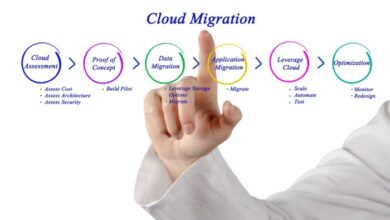
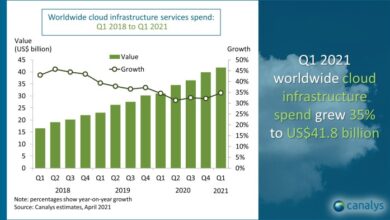
- Cloud Computing: Customers who heavily rely on a single cloud provider may experience vendor lock-in due to the complexity and costs associated with migrating data and applications to a different platform.
- Telecommunications: Customers who are locked into long-term contracts with a single telecommunications provider may face limited options for switching to alternative providers, resulting in higher costs and reduced flexibility.
Strategies for Avoiding Vendor Lock-In
Avoiding vendor lock-in is crucial for maintaining flexibility and control in business operations. It enables organizations to adapt to changing market conditions, leverage technological advancements, and optimize costs. Several strategies can help mitigate vendor lock-in risks during the procurement process.
The initial step involves identifying key considerations that contribute to vendor lock-in. These may include the vendor’s market dominance, proprietary technologies or standards, complex integration requirements, long-term contracts, and limited data portability options. Understanding these factors allows organizations to focus on areas where lock-in risks are most prominent.
Vendor Selection and Due Diligence
Careful vendor selection is essential in preventing vendor lock-in. Organizations should conduct thorough due diligence to assess vendors’ financial stability, track record, and commitment to innovation. Evaluating the vendor’s market position, customer references, and industry reputation can provide insights into their reliability and long-term viability.
Additionally, organizations should consider the vendor’s technology stack, ensuring compatibility with existing systems and industry standards. Open and interoperable solutions reduce the risk of lock-in, as they allow for seamless integration with other technologies and facilitate data portability.
Contract Negotiation
Contract negotiation plays a critical role in mitigating vendor lock-in. Organizations should negotiate terms that protect their interests, including:
- Contract Duration: Negotiate shorter contract terms to maintain flexibility and avoid long-term commitments.
- Exit Provisions: Ensure the contract includes clear exit provisions that Artikel the process and costs associated with terminating the relationship.
- Intellectual Property Rights: Clearly define ownership and rights to intellectual property generated during the partnership.
- Data Portability: Negotiate terms that allow for easy data migration and portability in case of termination or switching vendors.
- Service-Level Agreements: Establish clear service-level agreements (SLAs) that Artikel performance metrics and penalties for non-compliance.
By incorporating these strategies, organizations can minimize vendor lock-in risks, maintain flexibility, and safeguard their long-term interests.
Maintaining Flexibility and Control
Preserving flexibility and control over your systems and data offers significant advantages. It empowers you to adapt swiftly to evolving business needs, leverage the best solutions from various providers, and maintain independence from any single vendor’s offerings.
Open standards, interoperability, and data portability play crucial roles in achieving flexibility and control. Open standards ensure compatibility among different systems, enabling seamless integration and communication. Interoperability allows systems from different vendors to work together harmoniously, preventing vendor lock-in. Data portability empowers you to move your data easily between systems, fostering flexibility and independence.
Strategies for Ensuring Vendor Independence
Implementing the following strategies can help ensure that your systems are not tied to a single vendor:
- Choose Open Source Solutions: Opt for open source software and platforms, which grant you the freedom to modify, customize, and integrate them as needed, without being constrained by vendor limitations.
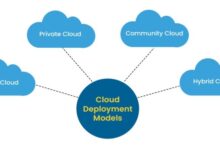
- Utilize Cloud-Based Services: Cloud services offer flexibility and scalability, allowing you to access resources from multiple providers, preventing vendor lock-in. Additionally, cloud providers often adhere to open standards, promoting interoperability and data portability.
- Implement Multi-Vendor Strategies: Employ a multi-vendor approach by using solutions from different providers for various aspects of your systems. This strategy reduces reliance on a single vendor and enhances flexibility.
- Negotiate Contracts Wisely: When entering into contracts with vendors, carefully negotiate terms related to data ownership, portability, and interoperability. Ensure that you retain control over your data and have the flexibility to switch vendors if necessary.
- Foster Internal Expertise: Develop internal expertise in key technologies and platforms. This knowledge empowers your organization to make informed decisions, manage systems effectively, and reduce reliance on external vendors.
Building a Diverse Supplier Ecosystem
A diverse supplier ecosystem offers numerous advantages, including reduced dependency on a single vendor, enhanced flexibility to adapt to changing market conditions, and access to a broader range of products and services. It also fosters innovation, as vendors compete to provide the best solutions and services.
To effectively manage multiple vendors, organizations should implement a comprehensive vendor management strategy that includes clear communication, regular performance monitoring, and robust service-level agreements (SLAs).
Managing Multiple Vendors
Effective management of multiple vendors requires careful planning and coordination. Organizations should establish clear roles and responsibilities for each vendor, ensuring that all parties understand their expectations and deliverables. Regular communication and collaboration are essential to maintain a productive and mutually beneficial relationship.
Organizations should also implement a robust performance monitoring system to track vendor performance against agreed-upon metrics and SLAs.
Service-Level Agreements (SLAs) and Performance Monitoring
Service-level agreements (SLAs) play a crucial role in managing vendor relationships. SLAs define the specific targets, metrics, and responsibilities for each vendor, ensuring that both parties are clear on their obligations. SLAs should be regularly reviewed and updated to reflect changing business needs and technological advancements.
Performance monitoring is essential to ensure that vendors are meeting the agreed-upon SLAs. Organizations should establish a comprehensive monitoring system that collects and analyzes data on vendor performance, enabling them to identify and address any issues promptly.
5. Continuously Monitoring and Evaluating

In the ever-changing landscape of vendor relationships, maintaining a watchful eye on vendor performance is crucial. Ongoing monitoring and evaluation ensure that vendors consistently meet expectations, enabling businesses to identify potential risks and maintain control over their vendor ecosystem.
Establishing a Performance Assessment Framework
Creating a structured framework for assessing vendor performance is essential. This framework should include metrics that align with business objectives and key performance indicators (KPIs). Regular reviews and audits should be conducted to assess vendors’ adherence to these metrics and identify areas for improvement.
- Define Key Performance Indicators (KPIs): Establish specific, measurable, achievable, relevant, and time-bound (SMART) KPIs to evaluate vendor performance.
- Data Collection and Analysis: Gather relevant data from various sources, including vendor reports, customer feedback, internal performance metrics, and industry benchmarks, to comprehensively assess vendor performance.
- Regular Performance Reviews: Conduct periodic reviews to evaluate vendors’ progress toward meeting KPIs and identify areas where they may be falling short.
- Risk Assessment: Identify potential risks associated with each vendor, such as financial instability, operational disruptions, or compliance issues, and develop mitigation strategies accordingly.
- Customer Feedback: Regularly collect feedback from customers and end-users to gauge their satisfaction with the vendor’s products or services.
Conducting Regular Reviews and Audits
Regular reviews and audits are essential for ensuring that vendors are meeting expectations and adhering to agreed-upon terms. These reviews should involve a thorough examination of vendor performance against established metrics, as well as an assessment of the vendor’s overall relationship with the business.
- Scheduled Reviews: Establish a regular schedule for performance reviews, typically quarterly or annually, to assess progress and identify areas for improvement.
- Surprise Audits: Conduct unannounced audits to verify vendor compliance with contractual obligations and to identify potential issues that may not be apparent during scheduled reviews.
- Involve Cross-Functional Teams: Engage various departments and stakeholders in the review process to gain a comprehensive perspective on vendor performance.
- Documentation and Reporting: Maintain detailed records of review findings and recommendations to facilitate informed decision-making and track vendor performance over time.
By continuously monitoring and evaluating vendor performance, businesses can proactively address potential issues, maintain control over their vendor ecosystem, and ensure that vendors consistently deliver value and meet business objectives.
Planning for Exit Strategies
To minimize the impact of vendor lock-in and ensure a smooth transition in case of a vendor change, it is essential to have a well-defined exit strategy in place before entering into a vendor relationship.
An exit strategy Artikels the steps and processes involved in terminating a vendor contract, transitioning to a new vendor, and mitigating any potential risks associated with the change. By having a clear exit strategy, businesses can protect their interests, maintain continuity of operations, and minimize disruption during the transition period.
Developing and Implementing Exit Strategies
Developing and implementing an effective exit strategy involves several key steps:
- Assess Vendor Dependency: Evaluate the level of dependency on the vendor, including the criticality of their services or products to your business operations.
- Review Contract Terms: Carefully review the terms and conditions of the vendor contract, paying attention to termination clauses, notice periods, and any penalties or fees associated with early termination.
- Create a Transition Plan: Develop a detailed transition plan that Artikels the steps and timeline for migrating data, systems, and processes to a new vendor. This plan should include milestones, responsibilities, and contingency measures to address potential challenges.
- Data Migration and Transition Planning: Ensure that data can be easily migrated from the existing vendor’s systems to the new vendor’s platform. Test the data migration process thoroughly to ensure accuracy and completeness.
- Vendor Communication: Maintain open communication with the existing vendor throughout the transition process. Provide them with the necessary information and support to facilitate a smooth handover.
- Monitor and Evaluate: Continuously monitor the transition process and evaluate the performance of the new vendor. Make adjustments as needed to ensure a successful transition and minimize disruption to business operations.
Summary
By implementing the strategies Artikeld in this guide, you can effectively avoid vendor lock-in and maintain control over your systems, data, and relationships. Remember, flexibility, open standards, and a diverse supplier ecosystem are key to ensuring your business remains agile and adaptable in the ever-changing market landscape.
Embrace the freedom of choice and innovation by breaking free from vendor lock-in.