Infrastructure as a Service (IaaS)
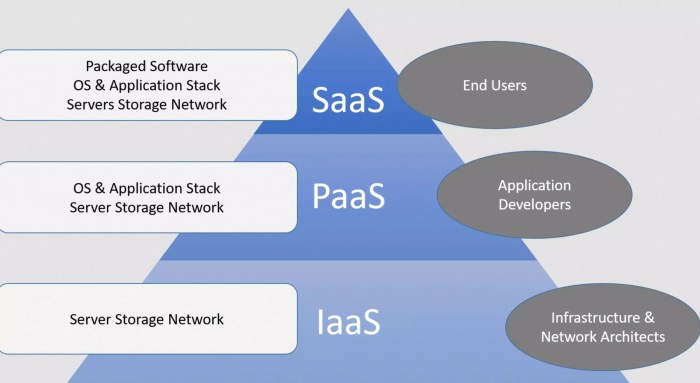
Infrastructure as a Service (IaaS) is a cloud computing model that offers computing infrastructure components, such as servers, storage, and networking, as a service over the internet. With IaaS, businesses can rent these resources on a pay-as-you-go basis, eliminating the need to purchase, maintain, and manage their own infrastructure.
IaaS provides several benefits to businesses, including:


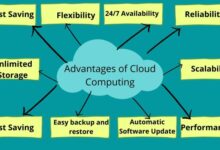


- Scalability: IaaS allows businesses to scale their IT resources up or down as needed, enabling them to meet changing demands without having to invest in additional hardware.
- Cost-effectiveness: IaaS can help businesses save money by eliminating the need to purchase and maintain their own infrastructure. Businesses only pay for the resources they use, and they can avoid the upfront costs associated with traditional IT infrastructure.
- Flexibility: IaaS offers businesses the flexibility to choose the resources they need, when they need them. This allows businesses to quickly adapt to changing business needs without having to worry about the limitations of their existing infrastructure.
Some of the popular IaaS providers include:
- Amazon Web Services (AWS): AWS is the leading IaaS provider, offering a wide range of cloud computing services, including compute, storage, networking, and databases.
- Microsoft Azure: Microsoft Azure is a cloud computing platform that offers a variety of services, including IaaS, PaaS, and SaaS. Azure is known for its strong integration with Microsoft products and services.
- Google Cloud Platform (GCP): GCP is a cloud computing platform that offers a wide range of services, including IaaS, PaaS, and SaaS. GCP is known for its strong focus on artificial intelligence and machine learning.
Platform as a Service (PaaS)
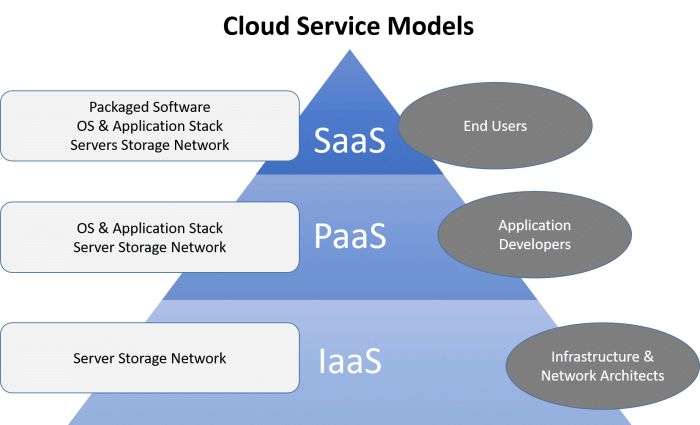
Platform as a Service (PaaS) provides developers with a platform for building, testing, and deploying applications without the need to manage the underlying infrastructure. It includes essential resources such as operating systems, programming languages, middleware, databases, and development tools.
Benefits of using PaaS
- Reduced Development Time: Developers can focus on application development rather than managing infrastructure.
- Simplified Deployment: PaaS platforms automate the deployment process, making it faster and easier.
- Access to Pre-Built Tools and Services: PaaS platforms provide a wide range of pre-built tools and services that can be easily integrated into applications.
Popular PaaS Offerings
- Heroku: A popular PaaS platform that supports multiple programming languages and offers a wide range of add-ons and integrations.
- Google App Engine: A PaaS platform from Google that is specifically designed for web applications and offers scalability and reliability.
- Microsoft Azure App Service: A PaaS platform from Microsoft that offers a wide range of features, including support for multiple programming languages, databases, and frameworks.
Software as a Service (SaaS)
Software as a Service (SaaS) is a cloud computing model where software applications are delivered over the internet on a subscription basis. SaaS providers host and manage the software applications, allowing users to access them from any device with an internet connection.
This eliminates the need for users to install and maintain software on their own devices.
Advantages of Using SaaS
There are several advantages to using SaaS, including:
- Ease of Use: SaaS applications are typically designed to be user-friendly, with intuitive interfaces and minimal training required.
- Automatic Updates: SaaS providers handle software updates and maintenance, ensuring that users always have access to the latest version of the software.
- Accessibility from Any Device: SaaS applications can be accessed from any device with an internet connection, including smartphones, tablets, and laptops.
- Scalability: SaaS applications can be easily scaled up or down to meet changing business needs.
- Cost-Effective: SaaS applications are typically priced on a subscription basis, which can be more cost-effective than purchasing and maintaining on-premises software.
Popular SaaS Applications
Some of the most popular SaaS applications include:
- Salesforce: A customer relationship management (CRM) platform that helps businesses manage their sales, marketing, and customer service operations.
- Microsoft Office 365: A suite of productivity applications that includes Word, Excel, PowerPoint, Outlook, and OneDrive.
- Google Workspace: A suite of productivity applications that includes Gmail, Docs, Sheets, Slides, and Drive.
Function as a Service (FaaS)
Function as a Service (FaaS) is a cloud computing service model that allows developers to create and execute code without managing servers or infrastructure. FaaS platforms provide a scalable, cost-effective, and agile way to build and deploy applications.
With FaaS, developers can focus on writing code and leave the management of servers and infrastructure to the cloud provider. This can significantly reduce development time and costs.
Benefits of Using FaaS
- Improved Scalability: FaaS platforms automatically scale the resources allocated to a function based on demand. This ensures that the function can handle sudden increases in traffic without any manual intervention.
- Reduced Costs: FaaS platforms charge only for the resources used by a function. This means that developers only pay for the actual usage, rather than paying for a fixed amount of resources.
- Faster Development Cycles: FaaS platforms allow developers to quickly and easily deploy new functions. This can significantly reduce the time it takes to bring new features to market.
Examples of FaaS Platforms
- AWS Lambda: AWS Lambda is a serverless computing platform that allows developers to run code without managing servers or infrastructure. Lambda functions can be triggered by a variety of events, such as HTTP requests, database changes, or scheduled events.
- Google Cloud Functions: Google Cloud Functions is a serverless computing platform that allows developers to deploy code that responds to HTTP requests. Cloud Functions can be written in a variety of languages, including Node.js, Python, and Go.
- Azure Functions: Azure Functions is a serverless computing platform that allows developers to deploy code that responds to HTTP requests, messages, or other events. Azure Functions can be written in a variety of languages, including Node.js, Python, and C#.
Storage as a Service (STaaS)
Storage as a Service (STaaS) is a cloud computing model that provides scalable and reliable data storage solutions over the internet. It enables businesses and individuals to store, manage, and access their data from anywhere with an internet connection, without the need for physical storage infrastructure.
STaaS offers several advantages, including increased data accessibility, improved data security, cost-effectiveness, and simplified data management. It allows users to store large amounts of data without investing in and maintaining their own storage infrastructure, making it a cost-effective option for businesses of all sizes.
Advantages of STaaS
- Increased Data Accessibility: STaaS enables users to access their data from anywhere with an internet connection, providing greater flexibility and convenience.
- Improved Data Security: STaaS providers typically implement robust security measures to protect data from unauthorized access, ensuring data security and integrity.
- Cost-Effectiveness: STaaS eliminates the need for businesses to invest in and maintain their own storage infrastructure, reducing capital and operational expenses.
- Simplified Data Management: STaaS providers offer user-friendly interfaces and management tools, simplifying data management and reducing the need for specialized IT expertise.
Popular STaaS Providers
Some of the most popular STaaS providers include:
- Amazon S3: Amazon’s Simple Storage Service (S3) is a highly scalable and reliable STaaS solution, offering a range of storage options and features to meet diverse business needs.
- Microsoft Azure Storage: Microsoft’s Azure Storage provides a comprehensive set of storage services, including blob storage, table storage, and file storage, catering to various data storage requirements.
- Google Cloud Storage: Google’s Cloud Storage offers scalable and durable storage solutions, with features such as object versioning, lifecycle management, and fine-grained access control.
Final Thoughts
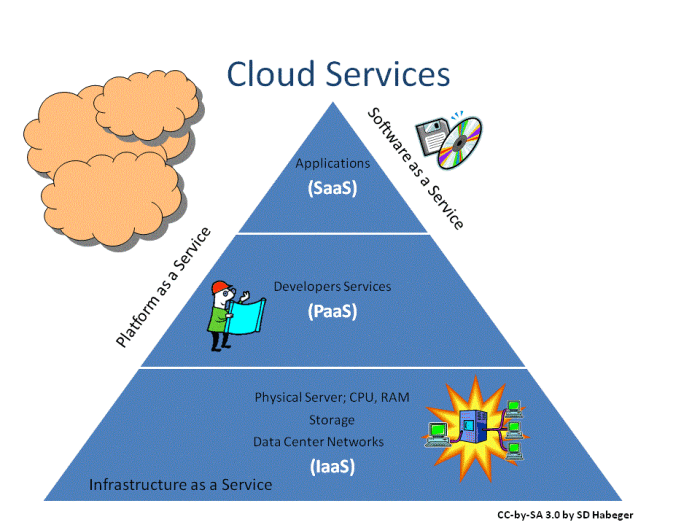
As we conclude our exploration of cloud computing services, it’s evident that this technology has reshaped the IT landscape. From IaaS to STaaS, each service offers a unique set of capabilities, catering to diverse user requirements. Whether it’s managing infrastructure, developing applications, deploying software, executing code, or storing data, cloud computing services have revolutionized the way we approach these tasks.
Embracing the cloud has opened up a world of scalability, cost-effectiveness, agility, and innovation. As technology continues to evolve, we can expect even more transformative applications of cloud computing services in the years to come.